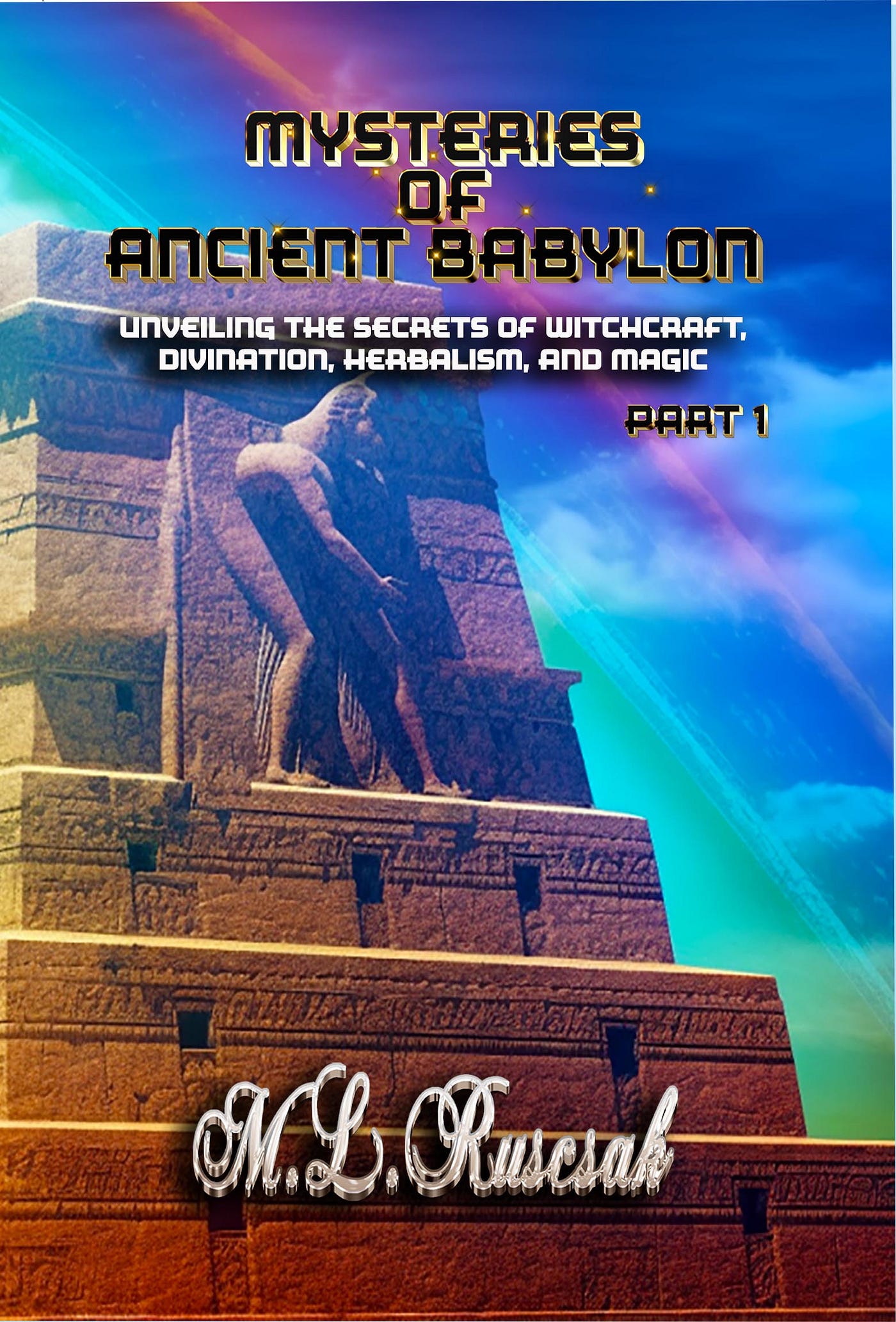
Witchcraft the Book is a comprehensive guide to practicing witchcraft and includes information on rituals, spells, and history. In this book, readers will find details on various forms of witchcraft, including Wicca and traditional witchcraft, as well as guidance on how to incorporate these practices into their daily lives.
Try Audible Plus Free For 30 Days!
Exploring the ancient art of witchcraft can be a powerful and enlightening experience, and many people find that it provides a connection to spiritual forces that cannot be found in traditional religions. Witchcraft the Book delves into the history of witchcraft and its modern-day resurgence, providing readers with an understanding of its significance and how it can be incorporated into their lives.
With detailed instructions on spells and rituals, as well as advice on creating and using magical tools, this book is an invaluable resource for anyone looking to deepen their understanding of the craft. Whether you are a beginner or an experienced practitioner, Witchcraft the Book is an essential addition to your library.
Credit: medium.com
Debunking Common Misconceptions
Debunking common misconceptions surrounding witchcraft is important to dispel the myths and prejudices against this spiritual practice. Despite being a centuries-old craft, it remains widely misunderstood and misrepresented in pop culture. Witchcraft is a spiritual path that is rooted in nature and celebrates the interconnectedness of all living beings. Let's debunk some of the most prevalent myths about witchcraft.
Witches Are Not Evil
Contrary to popular belief, witches are not evil. The depiction of witches as malevolent in popular culture has done a lot of harm in perpetuating the wrong stereotypes. Witchcraft is not about causing harm to others or indulging in dark practices. In fact, most witches are practitioners of white magic, which is focused on healing, protection, and spiritual growth.
Witches Do Not Worship The Devil
Another common misconception about witchcraft is that witches worship the devil. This claim is entirely false and is a result of conflating witchcraft with Satanism. Witchcraft has no affiliation with any religion, and practitioners may have varying beliefs about divinity. Most witches honor nature, the elements, and the cycles of the moon as part of their spiritual practice.
Witchcraft Is Not All About Magic
While magic is an integral part of witchcraft, it is not the sole focus. Witchcraft is a spiritual path that emphasizes personal growth and exploration. It involves connecting with nature, developing intuition, and embracing oneself. Magic is a tool used by witches to manifest their desires and intentions. But it is not the only aspect of their practice.
In summary, witchcraft is not a dark and malevolent practice reserved for the evil. Neither is it a religion that worships the devil. Witches are simply ordinary people who have found a spiritual path that resonates with them. They celebrate nature, practice various forms of magic, and honor divinity in their unique way. Debunking these myths is essential to promote a better understanding of witchcraft and its practitioners.
The Role Of Witchcraft In Modern Society
Witchcraft the Book explores the role of witchcraft in modern society, shedding light on a once-taboo practice that has gained renewed interest in recent years. From feminist spirituality to eco-feminism, the book delves into the diverse ways in which witchcraft is shaping contemporary culture.
Witchcraft is often portrayed as evil and devilish in popular culture and media. However, modern-day witches practice a form of spirituality that is deeply rooted in nature and the universe. In recent years, there has been a resurgence of interest in witchcraft amongst millennials as a way to find empowerment, connection, and mental wellness.
Witchcraft As A Form Of Empowerment
Witchcraft is often viewed as a way to empower oneself and move beyond societal constraints. Adapted to the contemporary world, Witchcraft has become a vital form of empowerment for those who feel oppressed by society. It provides a sense of self-empowerment to those who follow its practices. Witchcraft emphasizes individualism, personal power, and ethics that are focused on self-awareness and autonomy.
Witchcraft And Spirituality
In modern society, where people often feel disconnected and isolated, Witchcraft provides a way for them to find spiritual solace and connection. Modern-day witches often incorporate meditation, mindfulness, and other spiritual practices into their craft. These practices encourage personal growth, inner peace, and a deep connection to the natural world.
Positive Influence Of Witchcraft On Mental Health
Witchcraft has shown to have a positive impact on mental health. It allows witches to develop a deeper understanding of their emotions and thoughts, that, in turn, enables them to manage their problems better. It promotes self-discovery, self-care, and self-love, which are vital components of good mental health. Witchcraft also provides a sense of community and belonging, which can alleviate feelings of loneliness and social isolation.
Representation Of Witches In Popular Media
The representation of witches in popular media has long perpetuated negative stereotypes, portraying them as evil and malevolent forces. In contrast, modern-day witches are working towards promoting accurate representations of their craft. They emphasize the importance of positive representation in movies, literature, and other forms of media, in the hope of making Witchcraft more accessible to mainstream society. In conclusion, Witchcraft plays a significant role in modern-day society as a means of empowerment, spiritual connection, mental wellness, and positive representation. The increasing interest in witchcraft shows that society is becoming more accepting of different spirituality practices, leading to a broader acceptance of all lifestyles.
Unveiling The Mysteries Of Witchcraft
Witchcraft has been shrouded in mystery and confusion for centuries. It has been portrayed as dark and sinister in popular culture, but in reality, it is a spiritual practice that revolves around nature and the elements. In this post, we will explore the various aspects of witchcraft and shed light on the true meaning behind this fascinating practice.
Breaking Down The Elements Of Witchcraft
At the core of witchcraft lies the elements of nature: earth, air, fire, and water. These elements embody a particular energy, and the practice of witchcraft involves harnessing this energy to create a desired outcome. The practitioner seeks to align themselves with the desired element to manifest their intentions. For instance, earth is associated with grounding and stability, air is associated with communication and creativity, fire is associated with passion and transformation, and water is associated with emotions and intuition.
The Art Of Casting Spells
Spells are the cornerstone of witchcraft. Casting spells involves setting intentions, calling upon specific elements, and directing energy to manifest a desired outcome. The art of spellcasting requires focus, concentration, and the ability to tap into one's intuition. There are many different types of spells, from protection spells to love spells, and each one is tailored to the practitioner's unique intention. It is important to note that spellcasting should always be done with a positive intention and never used to harm others.
The Importance Of Ritual And Ceremony
Rituals and ceremonies are an essential part of witchcraft. These practices help the practitioner connect with the elements and align their energy with their intentions. They also provide a sense of structure and help the practitioner enter a state of deep meditation and focus. The ritual can vary greatly, depending on the practitioner's tradition and personal style, but it often involves lighting candles, burning incense, and calling upon specific elements.
Tools Of The Witchcraft Trade
Witches use a variety of tools to aid them in their practice. These tools serve to harness and direct energy towards a desired outcome. The most common tools include a wand, athame (ritual knife), chalice, and pentacle. Each tool has a specific purpose and is used to represent a particular element. For instance, the wand represents air, the athame represents fire, the chalice represents water, and the pentacle represents earth.
In conclusion, witchcraft is a practice that involves harnessing the energy of nature and using it to manifest desires. Whether you are a practitioner or just curious about the practice, understanding the various aspects of witchcraft can provide greater insight into this wonderful world of magic.
Witchcraft In Contemporary Literature
From bewitching tales of magic and mystery to powerful accounts of female empowerment, witchcraft in contemporary literature has captured the imaginations of readers worldwide. These modern works delve into the realm of spellbinding enchantment, exploring the complexities of witchcraft in our ever-changing society.
An Analysis Of Modern Witchcraft Books
The emergence of modern witchcraft books has opened up a world of exploration and understanding. Authors have delved deep into the realm of witchcraft, incorporating historical elements and infusing stories with contemporary twists. Let's take a closer look at some notable modern witchcraft books:
- "The Witching Hour" by Anne Rice - This enthralling novel follows a family of witches, spanning several generations, as they navigate a world filled with supernatural forces and dark secrets. Rice's vivid descriptions and intricate plot make this book a must-read for any witchcraft enthusiast.
- "The Craft" by Louise Carmen - With a focus on witchcraft as a means of self-discovery and personal empowerment, Carmen's novel explores the modern-day practices of young witches. Through a captivating narrative, readers are taken on an immersive journey into the world of witchcraft.
- "Practical Magic" by Alice Hoffman - This enchanting story revolves around the lives of two sisters who come from a long line of witches. As they navigate love, loss, and magical abilities, Hoffman delves into themes of family, identity, and the power of female bonds.
Themes And Motifs In Contemporary Witchcraft Literature
Contemporary witchcraft literature often explores a range of themes and motifs, providing readers with a deeper understanding of the mystic arts and its relevance in today's world. Here are some common themes and motifs found in these enchanting tales:
| Themes | Motifs |
|---|---|
| Female empowerment | Moon phases |
| Self-discovery | Tarot cards |
| Nature and spirituality | Cauldrons |
| Magic and rituals | Black cats |
Through these recurring themes and motifs, contemporary witchcraft literature seeks to illuminate the transformative power of witchcraft, highlighting its ability to empower individuals and explore the depths of their own identities. These books not only entertain but also inspire readers to embrace the enchantment within their own lives.
Interviews With Practicing Witches
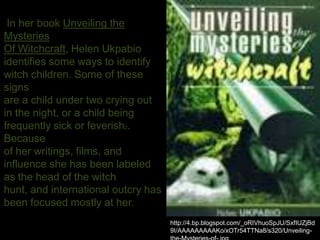
Discover the world of witchcraft through interviews with practicing witches featured in the book "Witchcraft. " Learn about their experiences, practices, and beliefs as they share their insights and knowledge about this ancient spiritual practice.
Are you interested in learning more about witchcraft? Whether you are an experienced practitioner or just starting out, reading books about witchcraft can be a great way to deepen your knowledge and improve your craft. In the book "Witchcraft," author Sarah Lyons interviews several practicing witches to gain insight into their unique perspectives and approaches to the craft.
Interview With An Experienced Witch
One of the witches interviewed in "Witchcraft" is Elspeth, an experienced witch with over twenty years of practice under her belt. Elspeth shares her knowledge and expertise in a variety of areas, including herbalism, divination, and energy work. She also discusses the importance of connecting with nature and working in harmony with the cycles of the moon.
Interview With A Witchcraft Beginner
In addition to interviewing experienced practitioners, Sarah Lyons also speaks with a beginner witch named Emily. Emily shares her journey of discovering witchcraft and the challenges she has faced along the way. She talks about the importance of finding a community of like-minded individuals who can offer support and guidance. Emily's interview is a great example of how anyone can become a practicing witch, regardless of their previous experience or knowledge.
Different Approaches To Witchcraft
One of the most interesting aspects of "Witchcraft" is that it showcases a wide range of approaches to the craft. From traditional Wicca to eclectic witchcraft, there is something for everyone in this book. The interviewed witches offer unique perspectives on spell work, ritual, and meditation, allowing readers to gain insights into different ways of practicing witchcraft.
Advice For Aspiring Witches
Finally, "Witchcraft" offers valuable advice for anyone looking to deepen their practice or start on the path of witchcraft. The interviewed witches share their tips and tricks for working with energy, connecting with deities, and incorporating magick into daily life. Whether you are a seasoned practitioner or just starting out, there is something to learn from the wisdom of the witches featured in this book.
Credit: www.slideshare.net
Try Audible Premium Plus and Get Up to Two Free Audiobooks

Credit: www.amazon.com
Frequently Asked Questions For Witchcraft The Book
What Is The Most Famous Witchcraft Book?
The most famous witchcraft book is "The Witch's Book of Shadows" by Phyllis Curott. This book provides practical guidance on how to establish and maintain a personal practice, as well as exploring the origins and philosophy of witchcraft.
Is A Tale Of Witchcraft The Second Book?
No, without context, it's impossible to determine whether "a tale of witchcraft" is the second book. Could you please provide more information about the book or series?
What Is The Malleus Maleficarum Hammer Of Witches 1486?
Malleus Maleficarum is a treatise on witchcraft written in 1486. Also known as "Hammer of Witches," it was used during the Inquisition to identify, prosecute and eliminate witches and their supposed accomplices. It contained descriptions of witchcraft, how to identify witches, and how to conduct trials.
What Is The Oldest Malleus Maleficarum?
The oldest Malleus Maleficarum is believed to be from 1487, which is the first edition of the book printed in Germany. It remains as one of the most famous medieval treatises on witchcraft.
Conclusion
As we explored the world of Witchcraft the Book, we discovered a fascinating history of spells, magic, and rituals. We learned that Witchcraft is not only a practice but also a way of life that connects us with our ancestors and nature.
Try Audible Premium Plus and Get Up to Two Free Audiobooks
This book is a perfect guide for those who wish to understand or embrace Witchcraft, as it beautifully captures the essence of this ancient art. With its enchanting pages, Witchcraft the Book has the power to transport us to a mystical world.
Comments
Post a Comment